 EXPERIMENTAL INTERACTION UNIT
SELECTED PROJECTS 1992-2011
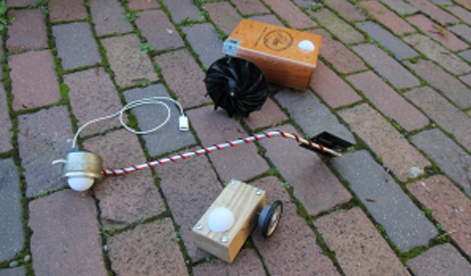
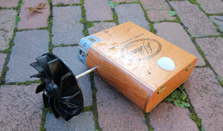
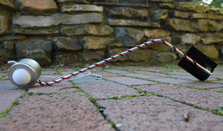
Energy Parasites redirecting energy usage
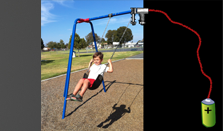
Energy parasites are handcrafted objects designed to opportunistically harvest small bits of energy across public landscapes. Agnostic to energy origin or ownership, these artifacts redirect their captured energy through a variety of means including expressing it and storing it for later reacquisition and usage. More Info :: Video :: 2011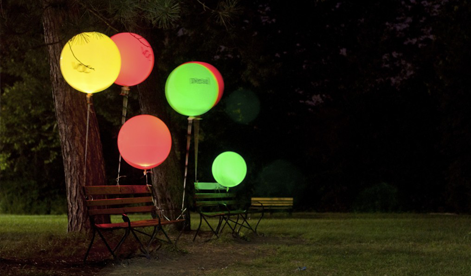
Spectacle Computing the audience is particpating
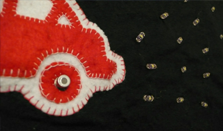
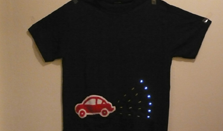
Increasing engagement and awareness of societal concerns across public spaces and communities with novel, expressive technologies. Using expressive balloons and air quality sensing clothing individuals engage in otherwise socially unacceptable behaviors such as overt public voyeurism, gossip and curiosity. More Info :: 2009-2011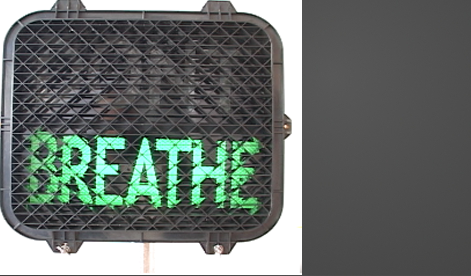
Citizen Science Mobile sensing for community action
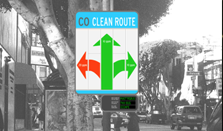
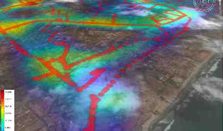
We have explored citizen science through a range of gallery exhibitions, workshops, and performances. Through new signage, sensing technologies, and urban interactive screens, issues of ownership, authenticity, authority, activism, and grassroots participation have been critiqued. More Info :: Video :: 2006-2011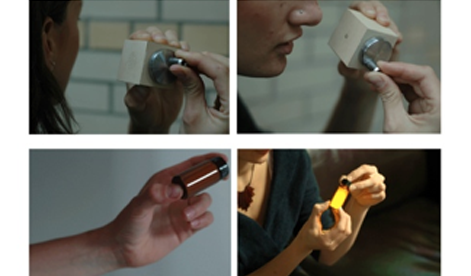
Energy materiality energy mementos
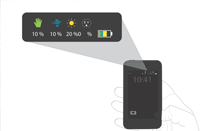
Collecting, keeping, sharing, and activating small personal interactive bits of energy. This project is focused on exploring new ways of experiencing and interacting with and through energy in everyday contexts. These artifacts promote new forms of emotional engagement with and attachment to energy. This work speculates on the emergence of new sociotechnical energy regimes—including decentralized modes of energy production and consumption. More Info :: 2009-2011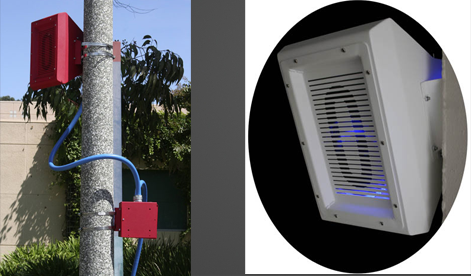
Objects of Wonderment Hullabaloo
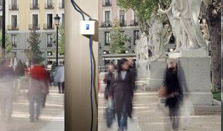
Hullabaloo was the first in a series of new public artifacts called Objects of Wonderment that were designed to radically expand expectations of mobile phones as they transform from personal communication tools and begin to interface directly with new sensors, actuators, and physical places. Objects of Wonderment repositions these devises as central elements in a participatory urban authoring toolkit. More Info :: 2005-2006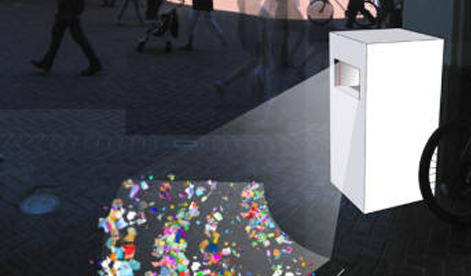
Jetsam Urban Probes
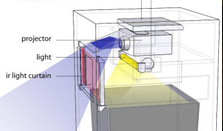
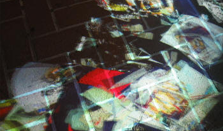
Urban life is largely composed of the movement, activities and familiar patterns of people within and across our crowded urban landscapes. There is also a curiosity, perhaps even verging on a voyeuristic interest in the lives of our fellow urban neighbors. We developed Urban Probes - specifically, Jetsam, to explore urban public trash, its meaning, patterns, and usage, and further critique technology and our emotional experiences of living in cities. More Info :: 2004-2005

Familiar Strangers Jabberwocky
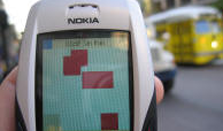
The Familiar Stranger is a social phenomenon first addressed by the psychologist Stanley Milgram in his 1972 essay on the subject. Familiar Strangers are individuals that we regularly observe but do not interact with. Jabberwocky questions the dominant rhetoric of social networking and offers a new lens on our less understood but common social relationship with strangers. More Info :: Video :: 2003-2004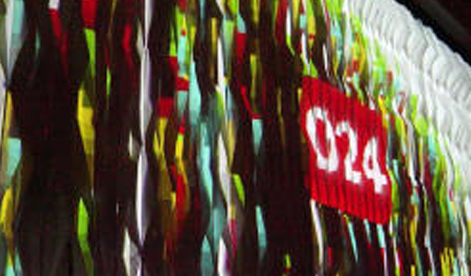
180x120 tags and tessellated surfaces generate visual group dynamics
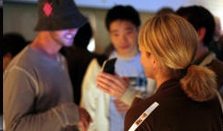
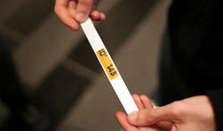
Appearing at SFMOMA this installation explored the difference of statistically projected behaviors through an over-mapping with actual behavior. Using RFID tags individual behaviors were measured and exposed in real time. More Info :: Video :: 2005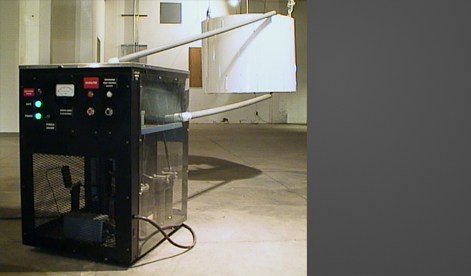
I-Bomb Inevitable Dilemmas of the Human Condition
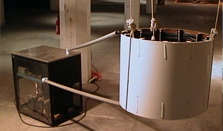
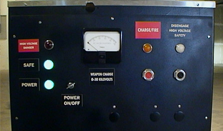
The I-Bomb directly confronts our reliance on ubiquitous technologies by forcefully creating a technology free zone (TFZ) via a functional electromagnetic pulse device. It also presents dilemmas of personal ownership of unregulated weapons systems and a questioning of technology overreliance and saturation. More Info :: Video :: 1998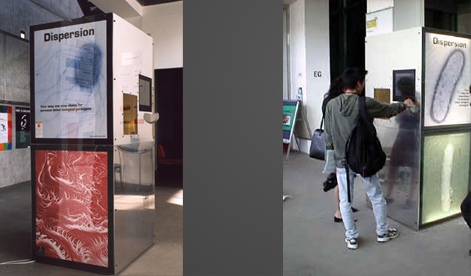
Dispersion one stop choice for personal pathogens
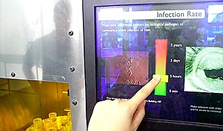
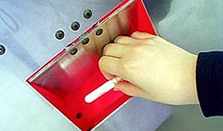
Dispersion, which received an Ars Electronica Distinction Award, is a functional personal pathogen vending machine that presents a seductive visual and interactive experience framed within the context of a common vending machine and a resulting ethical and moral dilemma. More Info :: Video :: 1999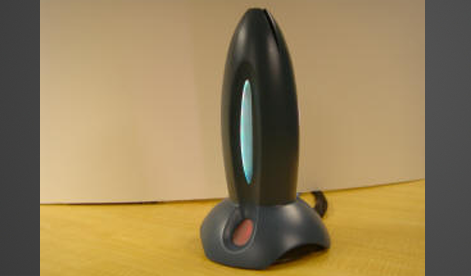
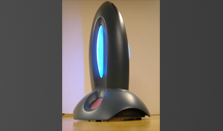
Limelight seeing is Deceiving
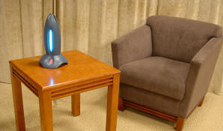
Limelight critiques the culture of fear by presenting a functional technology that automates the process of anxiety and worry. The system uses remote and local sensing with learning algorithms to calculate a fear index. The system predates the US government's own threat level system. More Info :: 2004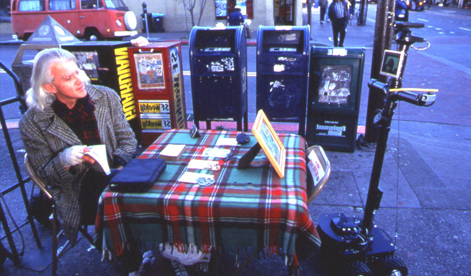
PRoPs and Blimps Experiments in Tele-Embodiment
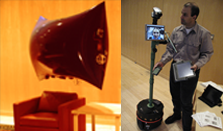
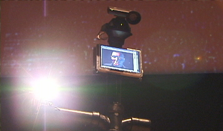
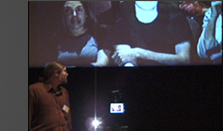
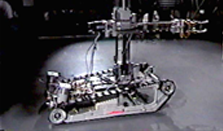
PRoPs are simple, inexpensive, internet-controlled, untethered tele-robots that strive to provide the sensation of tele-embodiment in a remote real space. Numerous airborne blimps and ground robots were developed and deployed across a range of settings including Ars Electronica, SIGGRAPH, Exploratorium, etc. These systems all predate the development of internet telepresence robots by more than a decade. More Info :: PRoP Video :: Blimp Video :: 1992-2001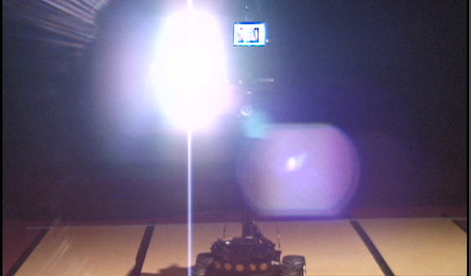
Internet Agitation and the Target Audience
EIU joined forces with ®TMark in a performance allowing remote faceless corporations to embody a novel, expressive, mediated physical form ranging from pleasant and happy to hostile and disruptive. The project explored non-verbal, bodily, and facial cues to further disruptive, distract, and distort corporate messaging and media. More Info :: Video :: 2000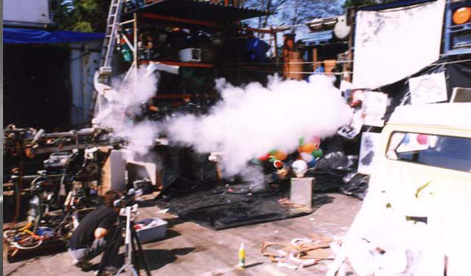


Legal Tender www.counterfeit.org
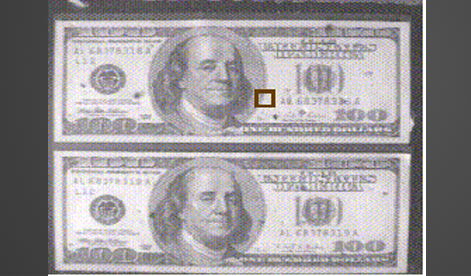
Legal Tender was the first publicly accessible online tele-robotic laboratory where remote viewers give up their anonymity and accept full responsibility for actions they perform on a pair of purportedly authentic US$100 bills. Users are also reminded that it is a Federal crime to deface US currency. More Info :: 1996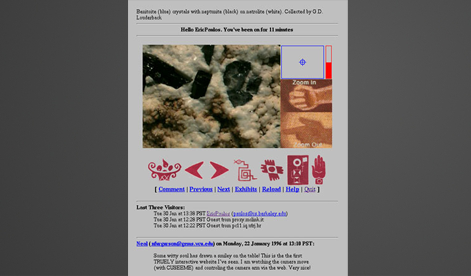

Mecanical Gaze
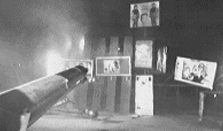
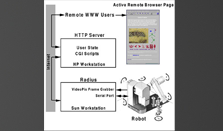
Mechanical Gaze was one of the first few internet based online telerobotic www sites (pre-dating even the existence of Netscape). It allowd remote users to access a collection of museum exhibits. Users could control the camera viewpoint to facilitate views that they want of objects. It also allowed for running comments on each exhibit and live video of the robot in motion. More Info :: 1995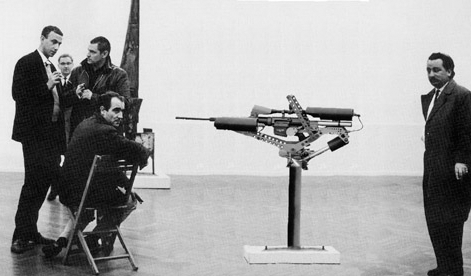
Gallery Shooting Gallery Taking Aim at the Target Audience
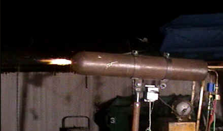
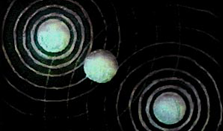
An unrealized project designed to explore the boundaries of telepresence by extending the range of the online experience to enabling the expression of the ultimate form ofthe human-human interaction - the targeting and firing a live weapon at another human being. The system used a pulse shockwave cannon which fires an air vortex rather than a projectile.
More Info :: 2001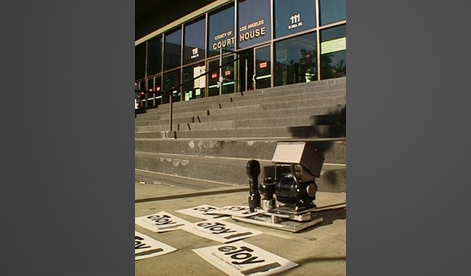
Etoys Improvement System (EIS) etoy.EIU_RETALIATE
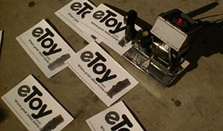
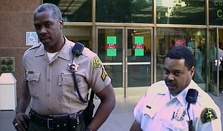
A tactical media device setup outside the Los Angeles courthouse for the 1999 trial between then dot.com giant etoys.com and art group etoy.com. A mechanical abrasion device methodically scraped the "S" and other errors off eToys flyers, producing improved etoy.com flyers. More Info :: 1999